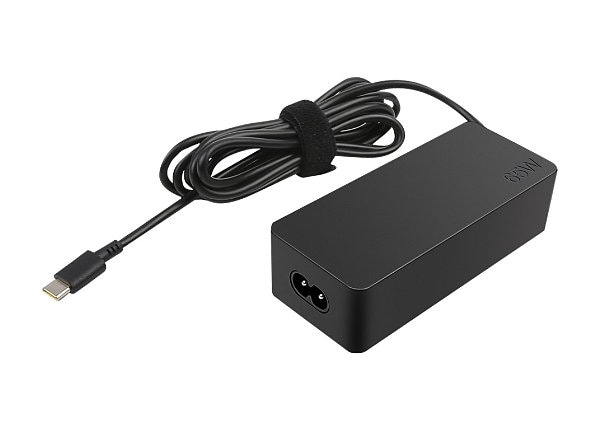
Understanding the Role of Adapters in Connecting Diverse Technologies
Adapters play a crucial role in bridging the gap between different technologies, enabling seamless communication and functionality across diverse platforms. In a world where businesses often utilize a mixture of legacy systems and modern applications, the role of adapters becomes paramount. They facilitate data exchange, ensuring that disparate systems can work together effectively. For instance, a software application designed for account management might need to pull data from an older customer relationship management (CRM) system. In this case, an adapter serves as the intermediary, converting the data formats and protocols into compatible structures that both systems understand.
Moreover, the use of adapters is not limited to simple data transfer; they also enhance scalability and maintainability. By implementing a well-designed adapter architecture, businesses can easily integrate new technologies without overhauling existing systems. This adaptability is particularly valuable in an ever-evolving technological landscape, where organizations often need to adopt new tools and platforms. For instance, integrating cloud services or third-party APIs can be streamlined through adapters, allowing for a more agile operational model. Overall, understanding the role of adapters is essential for IT professionals looking to optimize their organization’s technology stack and ensure effective interoperability.
Counter-Strike is a popular tactical first-person shooter that emphasizes teamwork, strategy, and skill. Players can assume the roles of terrorists or counter-terrorists, each aiming to complete objectives or eliminate the opposing team. For gamers looking to enhance their travel experience while playing, exploring the Top 10 Travel Tech Essentials can be highly beneficial.
Top 5 Common Adapter Issues and How to Solve Them
In today's tech-driven world, adapters play a crucial role in ensuring our devices have the power and connectivity they need. However, like any other electronic component, they can encounter issues. Here are the top 5 common adapter issues users often face:
- Overheating
- Inconsistent power delivery
- Physical damage
- Compatibility issues
- No power output
Knowing how to troubleshoot these adapter issues can save you time and frustration. For overheating, ensure your adapter is in a well-ventilated area and avoid covering it while in use. If you're facing inconsistent power delivery, check for any frayed wires or damaged connectors. In cases of physical damage, it’s best to replace the adapter entirely. For compatibility issues, always check manufacturer specifications. Lastly, if there's no power output, try using the adapter with a different device to determine if the issue is with the adapter or the device itself.
Are You Using the Right Adapter? A Guide to Choosing the Best Connection for Your Needs
In today's fast-paced digital world, choosing the right adapter can significantly impact the performance and connectivity of your devices. Whether you are looking to connect your laptop to a projector, charge your smartphone, or link multiple peripherals, understanding the different types of adapters available is crucial. There are several factors to consider when selecting the most suitable adapter for your needs, including compatibility, port type, and data transfer speed. Are you using the right adapter? If not, you may experience frustration with slow connections or even device malfunctions.
To ensure you make an informed decision, here are some key points to keep in mind:
- Compatibility: Check the specifications of your devices to confirm that the adapter you choose is compatible with each device.
- Port Type: Ensure you select the right kind of port—USB, HDMI, or Thunderbolt—based on the devices you are connecting.
- Data Transfer Speed: If you require high-speed data transfer, look for adapters that support the latest standards.