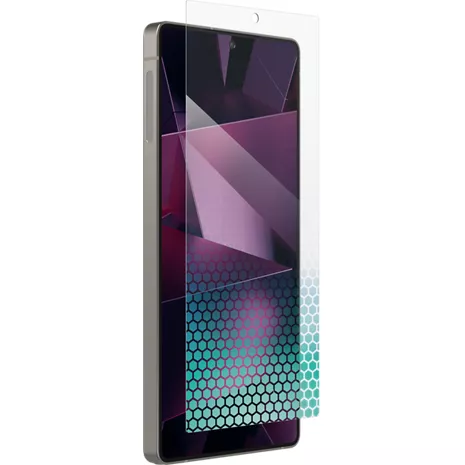
Understanding the Bubbles: How to Properly Apply a Screen Protector
Applying a screen protector can seem like a daunting task, especially when it comes to avoiding unsightly bubbles. To start, ensure that the screen area is thoroughly cleaned with a microfiber cloth to eliminate dust and fingerprints. This preparation is crucial, as even tiny particles can lead to bubbles when the protector is applied. When ready, carefully align the screen protector with the edges of your device’s screen, ensuring a precise fit to minimize the likelihood of misalignment.
Once positioned, gently press down in the center of the screen protector and allow it to adhere naturally to the screen. Utilize a credit card or a similar flat object to push out air pockets from the center towards the edges, effectively eliminating any remaining bubbles. If any bubbles persist, don't panic; you can often push them towards the edge with a little more pressure. Remember, patience is key in this process. Follow these steps, and you’ll have a flawless application every time.
Counter-Strike is a popular multiplayer first-person shooter game that has captivated players since its inception in 1999. The game involves teamwork and strategy, as players compete in various modes, such as bomb defusal and hostage rescue. For players looking to protect their devices while gaming, it's worth checking out the Top 10 iPhone privacy screen protectors to ensure your gaming experience remains uninterrupted and secure.
The Life Cycle of a Screen Protector: From Application to Replacement
The life cycle of a screen protector begins with the application process, which is crucial for ensuring durability and maximum protection. Before applying the screen protector, it's essential to clean the device's screen thoroughly using a microfiber cloth and an alcohol wipe to remove dust, fingerprints, and smudges. Once the screen is clean, align the protector carefully with the device, adhering to the edges to avoid bubbles. Smooth out any air pockets using a card or your fingers, and voila! Your device is now shielded from scratches and cracks.
As time goes on, the screen protector experiences wear and tear due to daily usage. Factors such as accidental drops, exposure to sharp objects, and general handling can gradually diminish its protective capabilities. Regularly inspect your screen protector for signs of damage, such as cracks or peeling edges. When it becomes too scratched or damaged, it's time for a replacement. Replacing your screen protector not only ensures ongoing protection for your device but also enhances its aesthetic appeal, keeping it looking brand new.
Top 5 Myths About Screen Protectors Debunked
Screen protectors are often surrounded by misconceptions that can lead consumers to hesitate before making a purchase. One of the most common myths is that all screen protectors are the same. In reality, there are various types of screen protectors, including tempered glass, plastic film, and privacy screens, each designed with different levels of protection and user preferences in mind. Another prevalent myth is that applying a screen protector is a complicated process. However, many modern screen protectors come with easy-to-follow installation kits, making it accessible for everyone to apply them without professional help.
Another myth that needs debunking is that screen protectors compromise touch sensitivity. Many users believe that a protective layer will hinder their ability to navigate their devices smoothly. However, high-quality screen protectors, particularly those made of tempered glass, are designed to maintain optimal touch sensitivity while providing robust protection. Additionally, there is a misconception that screen protectors are unnecessary for newer devices with durable screens. While modern devices often feature toughened glass, a screen protector can still help prevent scratches and cracks, extending the lifetime of your device significantly.