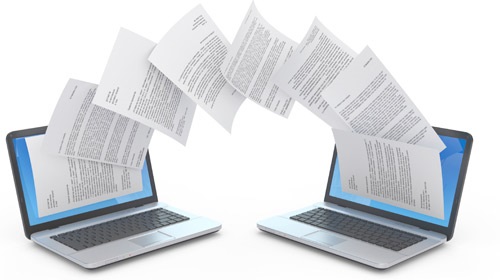
Understanding the Journey: How Data Packets Navigate the Internet
The journey of data packets across the internet is a fascinating process that serves as the backbone of digital communication. When you send a message or request information, the data is split into smaller units called packets. These packets contain not only the information you wish to send but also essential details such as the destination address and sequencing information, ensuring that they reach their intended destination in the correct order. As they embark on their journey, these packets travel through various routers and switches, which act like traffic managers, directing them along the most efficient paths in a complex network of connections.
One of the key components ensuring successful navigation is the Transmission Control Protocol (TCP), which establishes a connection between the sender and receiver, ensuring that all packets arrive intact and in the right sequence. If packets get lost or corrupted along the way, TCP is responsible for requesting retransmissions, maintaining the integrity of the data. Additionally, the internet employs a variety of protocols and technologies, such as Internet Protocol (IP) and Border Gateway Protocol (BGP), to manage how packets are routed. Understanding this intricate dance of data packets not only highlights the complexity of the internet but also underscores the robust systems in place that make seamless digital communication possible.
Counter-Strike is a highly popular tactical first-person shooter game that pits teams of terrorists against counter-terrorists in multiple gameplay modes. Players can purchase weapons and equipment at the beginning of each round, creating a strategic layer that adds to the excitement of the game. For those looking to enhance their gaming experience, check out the Top 10 usb c accessories which can improve connectivity and performance while playing.
The Secret Life of Bytes: Unpacking Data Transfer Mechanisms
The world of data transfer is often unseen, yet it forms the backbone of our digital experience. At the core of this process lies the byte, a fundamental unit of digital information. Understanding how bytes travel across networks is crucial for optimizing SEO strategies and enhancing website performance. The mechanisms behind data transfer include protocols, bandwidth, and latency. These elements interact to determine how efficiently data, such as SEO-focused content, reaches users. For instance, protocols like TCP/IP govern the rules of data transmission, while high bandwidth ensures that large volumes of bytes can be sent simultaneously without delay.
Moreover, the journey of a byte is not just about speed but also about reliability and accuracy. When bytes are transmitted, they often encounter obstacles such as network congestion, which can lead to packet loss. To counter these challenges, techniques like error correction and data compression come into play. They ensure that the information remains intact and is delivered efficiently. Understanding these data transfer mechanisms is vital for webmasters and digital marketers alike, as it helps in creating a seamless user experience that is favored by search engines. By optimizing the pathways that bytes travel, you can significantly enhance your site’s SEO performance.
What Happens When You Hit Send? A Closer Look at Data Transfer Protocols
When you hit send on an email or submit a form on a website, a series of complex actions are set in motion, guided by data transfer protocols. These protocols are essential for the smooth exchange of information over the internet, dictating how data is packaged, addressed, transmitted, and received. One of the most common protocols used for sending emails is the Simple Mail Transfer Protocol (SMTP), which ensures your message travels from your email client to the recipient's server without loss or corruption of data. Understanding these processes is vital for optimizing communication and ensuring that your messages reach their intended destinations.
Once the data is transmitted, it encounters various protocols that work hand in hand to deliver it accurately. For instance, the Transmission Control Protocol (TCP) breaks the data into manageable packets, which are sent over the network and then reassembled at the receiver's end. This is often complemented by the Internet Protocol (IP), which directs the packets to their correct destination using unique IP addresses. The use of these data transfer protocols not only enhances the efficiency of data transmission but also protects it from potential security threats, ensuring that your information remains confidential and intact until it reaches the recipient.