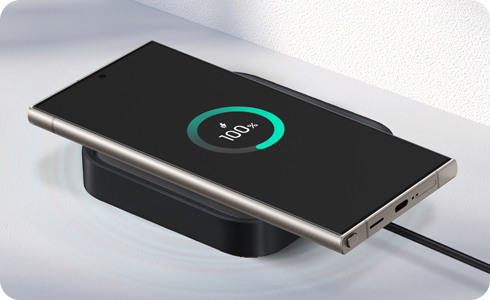
Exploring the Science Behind Fast Charging Technology
Fast charging technology has revolutionized the way we power our devices, enabling them to charge significantly quicker than conventional methods. This advancement relies on several scientific principles, including increased voltage and optimized charging circuits. At the core of this technology, lithium-ion batteries are being pushed to their limits, utilizing a high-current flow that allows for faster ion movement within the battery. Understanding the science behind fast charging not only helps consumers make informed choices but also prompts manufacturers to enhance their devices' battery management systems for better efficiency and longevity.
Furthermore, the development of fast charging standards, such as Qualcomm's Quick Charge and USB Power Delivery, illustrates the collaborative efforts within the tech industry to standardize this technology. These protocols utilize sophisticated communication between the charger and the device to negotiate optimal charging speeds while ensuring safety. As the demand for quicker charging solutions grows, ongoing research focuses on materials and designs that can withstand higher temperatures and voltages without compromising battery lifespan. This commitment to innovation highlights a bright future for fast charging technology, paving the way for even more efficient energy solutions.
Counter-Strike is a highly popular first-person shooter game that has captivated gamers since its release. It emphasizes team-based gameplay, where players choose to fight for either the terrorist or counter-terrorist side. The game involves strategy, skill, and coordination among team members, making it a favorite in competitive gaming. For those interested in enhancing their gaming setups, check out the Top 10 Wireless Chargers for Pixel Devices to keep your devices powered during intense gaming sessions.
Is Your Device Compatible with Fast Charging? What You Need to Know
When exploring whether your device is compatible with fast charging, it is essential to consider both the device itself and the charger you are using. Most modern smartphones, tablets, and even some laptops now support fast charging technologies, but this compatibility often depends on the specific model and manufacturer. For instance, many devices utilize standards like Qualcomm Quick Charge or USB Power Delivery (USB PD), which can significantly reduce charging time.
To determine compatibility, check the specifications of your device, and look for any mentions of fast charging support. Additionally, you'll want to ensure that you are using a charger that is capable of delivering the required wattage; using a standard charger with a fast-charging device will typically not result in any advantages. You can also refer to the device's user manual or the manufacturer's website for detailed information. Remember, having the right cable is also crucial, as not all cables support higher charging speeds.
Top 5 Fast Charging Myths Debunked: Separating Fact from Fiction
In today's fast-paced world, the convenience of fast charging technology has made it increasingly popular among smartphone users. However, many misconceptions persist regarding its use and effectiveness. One common myth is that fast charging will significantly damage your battery in the long run. In reality, most modern smartphones are designed with advanced charging circuits that regulate power flow, effectively preventing overheating and battery degradation. Fast charging, when done with compatible devices and chargers, is safe and does not adversely affect battery health.
Another prevalent myth is that using your phone while it's charging can severely impact its charging speed. While multitasking can generate additional heat, the fact is that the majority of devices today can handle charging and usage simultaneously without any significant drawbacks. It's important to recognize that the impact on charging speed is minimal and largely dependent on the application being used. By understanding these myths about fast charging, users can make informed decisions and enjoy their devices without unnecessary worry.