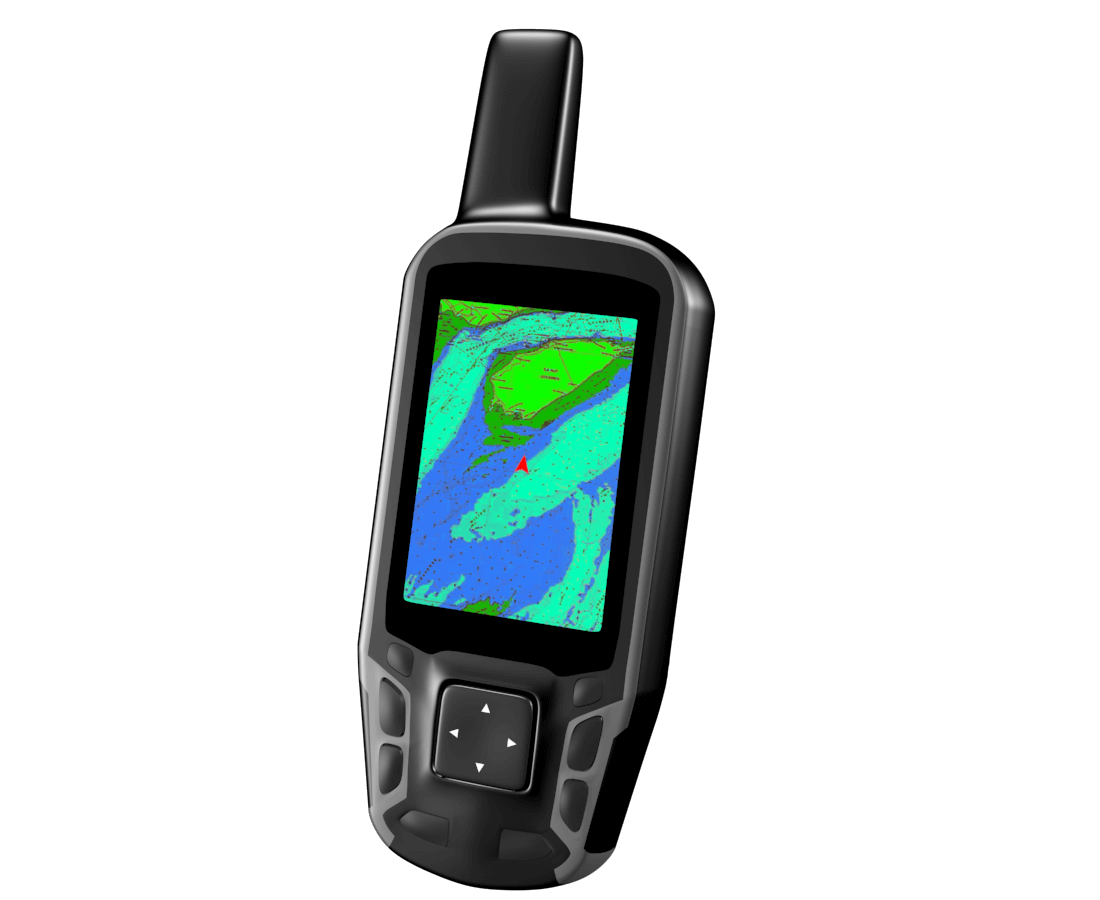
The Basics of GPS: How It Works and Why You Need It
The Global Positioning System, or GPS, is a satellite-based navigation system that allows users to determine their approximate location (latitude, longitude, and altitude) anywhere on Earth. Comprising a constellation of at least 24 satellites, GPS operates through a process known as trilateration, which measures the time it takes for signals from multiple satellites to reach a GPS receiver. This technology is not only vital for navigation in vehicles and airplanes but has also become essential for various applications including location-based services, mapping, and wildlife tracking.
Understanding how GPS works is crucial for recognizing its importance in our daily lives. Here are a few reasons why you need GPS:
- Enhanced Navigation: GPS provides precise directions, making it easier to reach your destination.
- Safety: Many emergency services use GPS technology to locate individuals in distress quickly.
- Convenience: From rideshare apps to delivery services, GPS makes it easier for businesses and consumers to connect.
By grasping the basics of GPS, you can leverage its capabilities effectively in both personal and professional contexts.
Counter-Strike is a highly popular tactical first-person shooter game that emphasizes team-based gameplay and strategic planning. Players can choose to be part of either the terrorist or counter-terrorist team, completing objectives such as bomb defusal or hostage rescue. For those looking for reliable ways to keep track of their pets while gaming, check out the Top 10 airtag pet collars to ensure your furry friends are always safe and sound.
Top 5 GPS Apps: Which One is Right for You?
In today's fast-paced world, having a reliable GPS app is essential for navigation and exploring new places. With countless options available, finding the right one can be overwhelming. Here are the Top 5 GPS Apps to consider:
- Google Maps - Known for its comprehensive mapping and live traffic updates.
- Waze - A favorite among commuters for its real-time crowd-sourced traffic information.
- Apple Maps - Ideal for iOS users, providing seamless integration with other Apple services.
- HERE WeGo - Offers offline maps and is perfect for international travelers.
- MapQuest - A classic choice that features route planning and various navigation options.
Choosing the right GPS app depends on your specific needs and preferences. If you prioritize real-time traffic data, Waze might be your best bet. On the other hand, if you prefer detailed mapping features, Google Maps stands out. For offline navigation, consider HERE WeGo, which allows you to download maps in advance. Evaluate your usage patterns and explore each option to find which GPS app suits you best.
Common GPS Mistakes: Are You Using Your Device Effectively?
In today's fast-paced world, GPS devices are indispensable tools for navigation. However, many users make common GPS mistakes that can lead to unnecessary delays and frustrations. One prevalent error is failing to update the device's maps and firmware regularly. Outdated maps can result in incorrect directions, while outdated software may hinder the device's performance. To ensure that you're using your GPS effectively, make it a habit to check for updates before embarking on a journey.
Another frequent mistake is not taking time to familiarize oneself with the GPS settings. Most devices come equipped with features like route optimization, traffic alerts, and alternative route suggestions. Ignoring these functionalities can lead to taking less efficient routes. To maximize your GPS experience, spend some time exploring your device's settings and features. By doing so, you can avoid some of the most common GPS mistakes and enhance your overall navigation experience.