How Does Workspace Design Influence Employee Creativity?
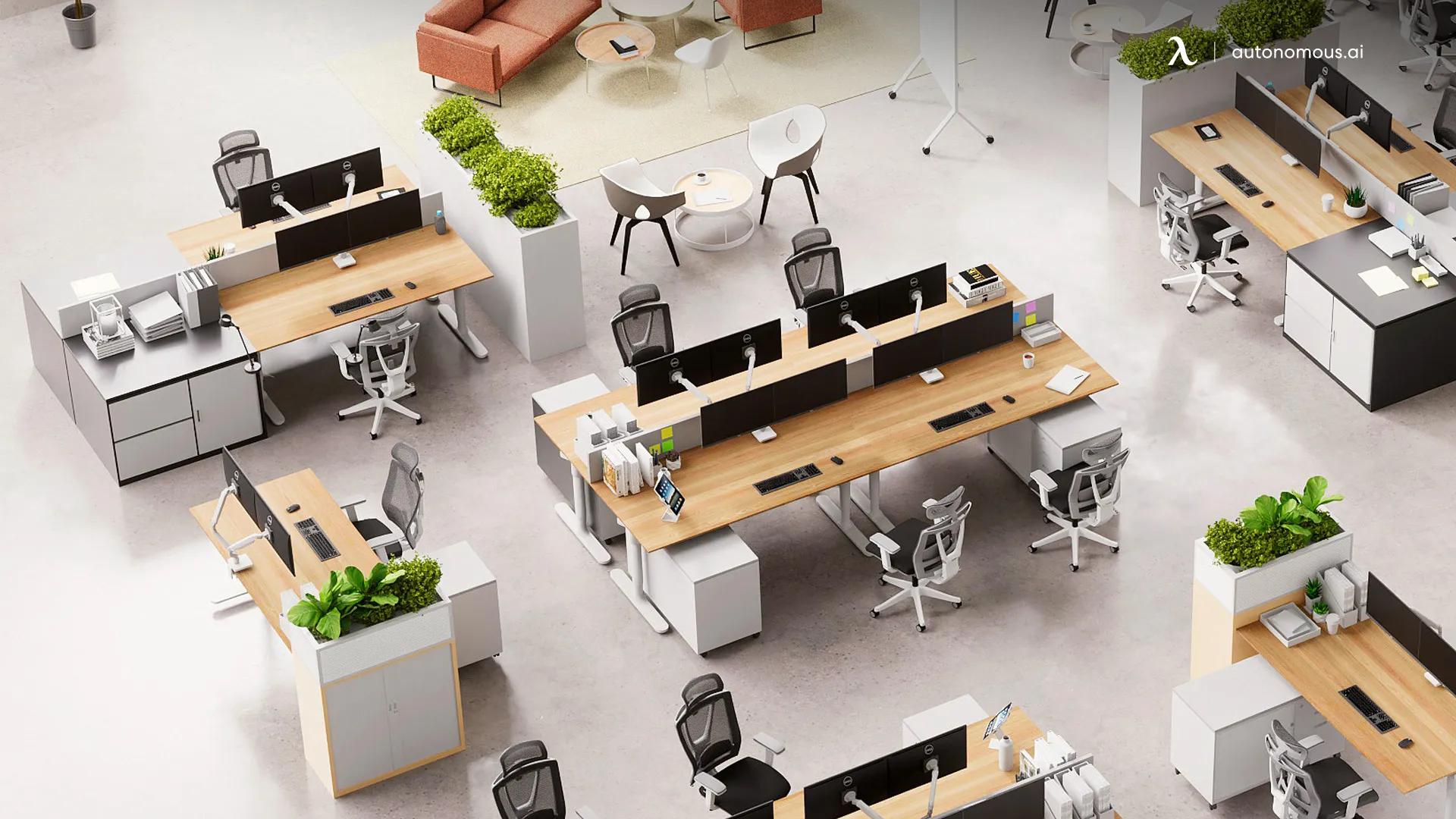
Workspace design plays a crucial role in influencing employee creativity by creating an environment that fosters inspiration and collaboration. Open spaces promote interaction among team members, allowing for the exchange of ideas and stimulating creative thought. Incorporating elements such as natural light and greenery can enhance mood and cognitive function, which are essential for creative processes. Moreover, spaces that allow for flexibility, such as adjustable furniture and collaborative areas, encourage employees to change their working environment, promoting a more dynamic approach to problem-solving.
In addition to physical layout, the aesthetic appeal of the workspace can significantly impact creativity. A well-designed space that reflects the company’s culture and values can motivate employees and enhance their emotional connection to their work. Key factors include the use of color psychology, comfortable seating, and inspiring decor. Elements like artwork or creative installations can further stimulate innovative thinking. When employees feel comfortable and are surrounded by aesthetics that resonate with them, they are more likely to engage in creative tasks and contribute original ideas.
Counter-Strike is a highly popular first-person shooter game that has defined the esports landscape since its release. Players are divided into two teams, terrorists and counter-terrorists, who compete to complete objectives such as bomb defusal or hostage rescue. For those who enjoy gaming comfortably from bed, check out the Top 10 Laptop Stands for Beds to enhance your gaming experience.
The Science Behind Creative Spaces: Designing for Inspiration
The design of creative spaces plays a pivotal role in fostering inspiration and innovation. Numerous studies have shown that the environment significantly influences our mood and productivity. For instance, incorporating natural light into a workspace can enhance creativity by uplifting spirits and improving focus. Additionally, color psychology suggests that warm colors like yellow and orange stimulate positivity and energy, while cool colors such as blue promote calmness and clarity of thought. When aiming to create a space that inspires, elements such as flexible layouts, comfortable furnishings, and distinct areas for collaboration versus solitude should be thoughtfully integrated.
Furthermore, incorporating elements from nature, known as biophilic design, can profoundly affect our cognitive abilities. This approach encourages designers to include natural materials, plants, and organic shapes, which can reduce stress and increase overall well-being. Additionally, adding zones for creativity, such as brainstorming walls or relaxation corners, can spur spontaneous ideas and provide necessary downtime. By understanding the science behind creative spaces, we can cultivate environments that not only enhance productivity but also nurture the creative spirit essential for innovation.
5 Key Elements of Workspace Design That Foster Innovation
Creating an inspiring workspace is crucial for fostering innovation within teams. One of the key elements of workspace design is flexibility. By incorporating movable furniture and adaptable layouts, employees can easily reconfigure their work environment to suit different tasks, boosting creativity and collaboration. Moreover, integrating collaboration zones encourages teamwork, as these areas are designed to promote spontaneous discussions and brainstorming sessions. A well-designed workspace not only aligns with the company's mission but also resonates with employees, cultivating a culture of innovation.
Another essential aspect is natural light. Studies have shown that access to natural light enhances mood and productivity, thereby stimulating innovative thinking. Including large windows or skylights can help achieve this, creating a connection to the outdoors that fosters a positive atmosphere. Additionally, incorporating biophilic design elements, such as plant life and natural materials, can enhance creativity by bringing a sense of nature into the workspace. By focusing on these five key elements, businesses can create an environment that energizes employees and fuels continuous innovation.