10 Essential Ergonomic Tips for a Healthier Workspace
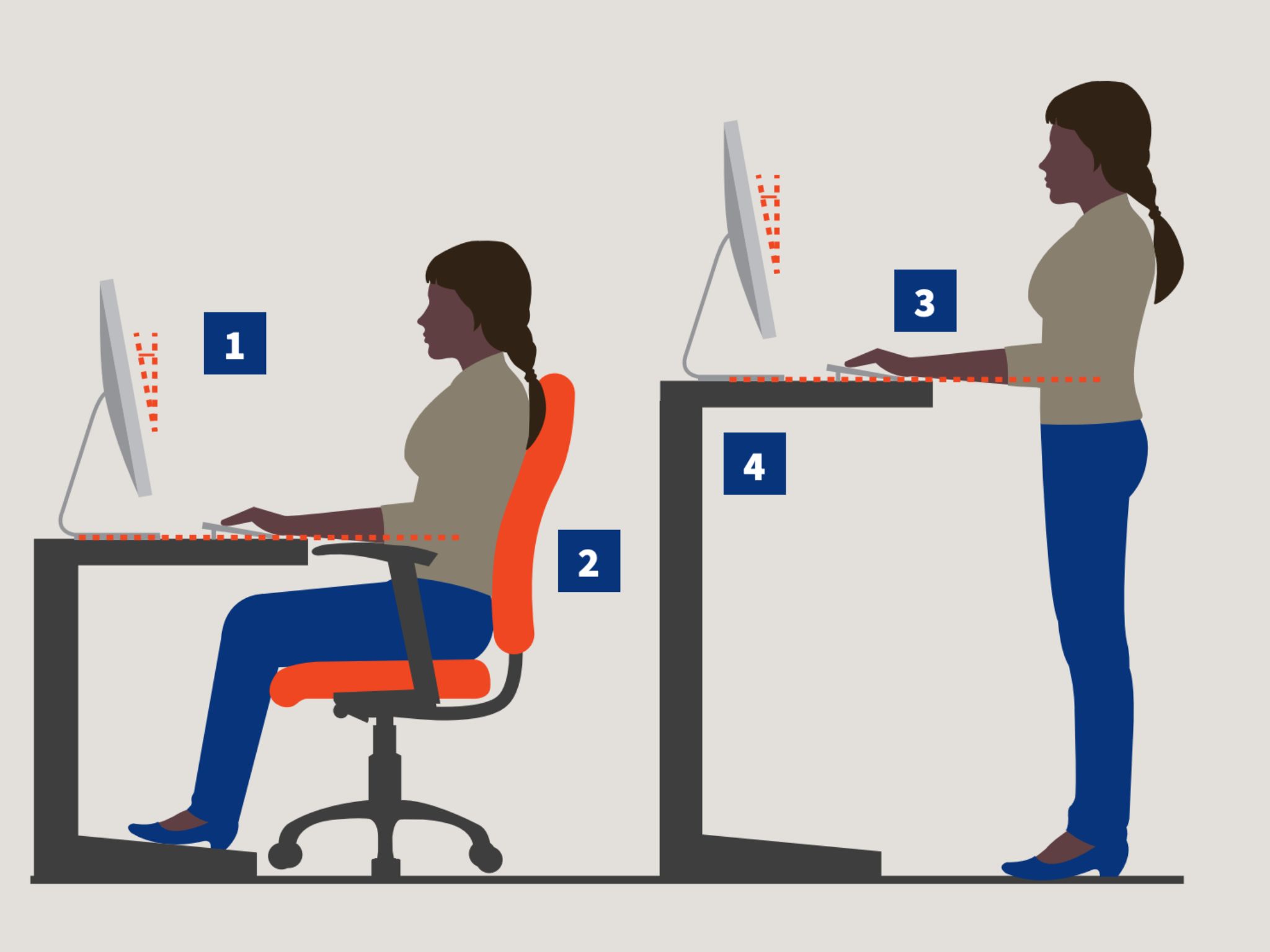
Creating an ergonomic workspace is crucial for maintaining health and productivity, especially for those who spend long hours at a desk. Here are 10 essential ergonomic tips that can help you achieve a healthier workstation. First, ensure that your chair is adjustable and provides adequate support for your lower back. Your feet should rest flat on the ground or on a footrest while your knees are at or slightly below hip level. Second, position your monitor at eye level, approximately an arm's length away, to reduce neck strain. Consider using a monitor stand or an adjustable arm to achieve the right height.
Next, maintain a 90-degree angle at your elbows by adjusting your keyboard and mouse height. Your wrists should be straight while you type to prevent discomfort. It's also essential to take regular breaks; a good rule of thumb is the 20-20-20 rule—every 20 minutes, look at something 20 feet away for 20 seconds. Additionally, keep frequently used items within reach to minimize repetitive stretching. Finally, don't overlook the importance of proper lighting. Ensure your workspace is well-lit, preferably with natural light, to reduce eye strain and enhance your focus.
Counter-Strike is a highly popular first-person shooter game that has garnered a massive following since its initial release. Players can engage in team-based combat, choosing roles as either terrorists or counter-terrorists. The game emphasizes strategy, teamwork, and skill, making it a staple in competitive gaming circles. Additionally, if you're looking to optimize your gaming setup, check out the Top 10 iphone desk stands to enhance your experience.
How to Choose the Right Ergonomic Chair for Your Needs
Choosing the right ergonomic chair is essential for maintaining good posture and comfort, especially if you spend long hours sitting at a desk. Start by assessing your specific needs: consider factors such as your height, weight, and any pre-existing back issues. Look for chairs that offer adjustable features, such as seat height, lumbar support, and armrest positioning. A chair that accommodates your unique body shape will not only enhance your comfort but also promote better spinal alignment.
Once you've narrowed down your options, test the chairs in person if possible. Pay attention to ergonomic features such as cushion quality, seat depth, and backrest angle. Ensure the chair allows you to maintain a 90-degree angle at your knees and hips while keeping your feet flat on the floor. Additionally, consider the material of the chair; breathable fabrics can enhance comfort during long hours of use. Remember, investing in the right ergonomic chair will pay off in improved productivity and reduced discomfort.
Is Your Workspace Causing You Pain? Signs You Need an Ergonomic Overhaul
Many individuals spend hours at their desks, often unaware that their workspace setup may be contributing to discomfort or even chronic pain. Common signs that your workspace is causing you pain include persistent backaches, neck stiffness, and wrist strain. If you find yourself frequently adjusting your posture or taking unnecessary breaks to alleviate discomfort, it may be time to assess your current workstation. Here are a few vital indicators:
- Consistent neck or shoulder pain
- Numbness or tingling in your hands
- Frequent headaches
Taking proactive steps to enhance your ergonomic setup can significantly improve your overall well-being and productivity. An ergonomic overhaul doesn't have to be overwhelming; start by evaluating your chair, desk height, and computer screen position. For instance, your chair should provide adequate lumbar support, while your monitor should be at eye level to prevent straining your neck. Remember, making these adjustments can lead to a healthier workspace environment and reduce the likelihood of discomfort. Don't ignore the signs—investing in your workspace is investing in your health!