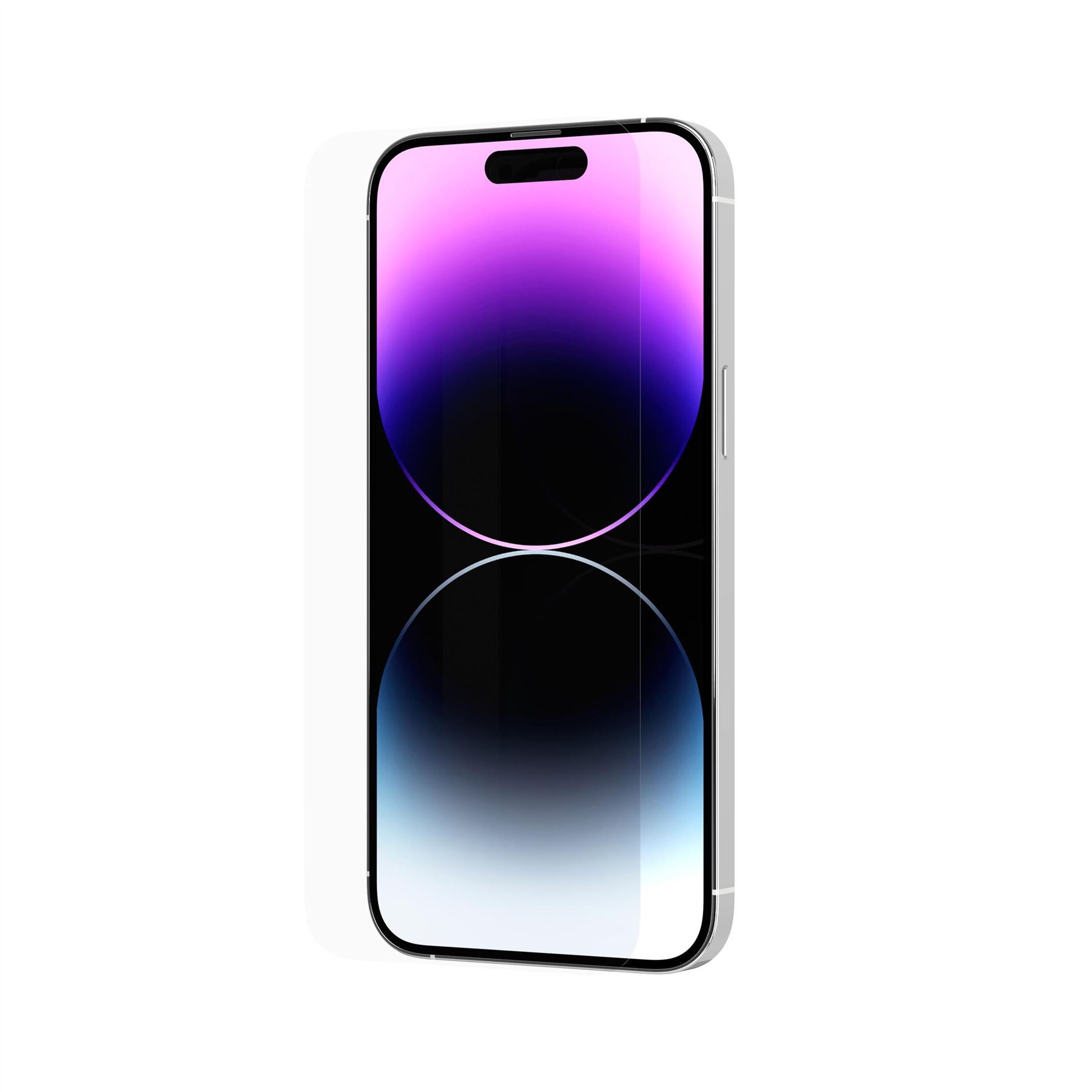
The Science Behind Screen Protection: How Screen Protectors Safeguard Your Device
The use of screen protectors has become increasingly popular as our reliance on mobile devices grows. These thin layers of material, often made from tempered glass or plastic, provide an essential shield against scratches, cracks, and other forms of damage. The core science behind them lies in the materials themselves; for instance, tempered glass screen protectors undergo a special heating and cooling process that increases their strength and durability. This means that, when your device accidentally falls, the impact is absorbed by the protector rather than the screen, keeping your device intact.
In addition to physical protection, screen protectors also offer benefits like reduced glare and enhanced visibility. Many modern protectors are designed with advanced coatings that resist fingerprints and smudges, ensuring that your screen remains clear and easy to use. Moreover, some options include blue light filtering technology, which can help reduce eye strain during extended use. By investing in a quality screen protector, you not only extend the lifespan of your device but also improve your overall user experience.
Counter-Strike is a popular tactical first-person shooter video game franchise that has captivated gamers since its inception in 1999. Players engage in team-based gameplay, where one team typically takes on the role of terrorists and the other as counter-terrorists. The game's competitive nature has led to a thriving esports scene, making it one of the most played games worldwide. If you're looking to enhance your gameplay experience, check out the Top 10 Samsung Galaxy Accessories that can help you perform better and stay connected with your teammates.
Top 5 Myths About Screen Protectors Debunked
When it comes to the myths about screen protectors, many consumers are misinformed, leading to confusion when choosing the right one for their devices. One widespread myth is that all screen protectors are the same and offer equal protection. In reality, there are various types of screen protectors, including tempered glass, plastic film, and liquid screen protectors, each offering different levels of durability and scratch resistance. For instance, tempered glass protectors are known for their superior durability, while plastic films may not withstand heavy impacts as well, debunking the myth that quality is uniform across all protectors.
Another common misconception is that applying a screen protector is unnecessary if the device has Gorilla Glass or similar technology. While these enhanced screens are indeed more robust, they are not impervious to scratches and cracks. Screen protectors serve as an extra layer of defense against everyday hazards, such as keys or rough surfaces, making them a wise investment. By challenging these prevalent myths, consumers can make well-informed decisions about protecting their devices effectively.
Are You Using the Right Screen Protector for Your Device?
Choosing the right screen protector for your device is crucial in ensuring its longevity and performance. With the myriad of options available on the market, it's essential to consider factors like material, durability, and compatibility. For instance, tempered glass protectors offer superior protection against drops and scratches, while flexible film protectors provide a lightweight option that is often less obtrusive. Assessing your personal usage habits and the environments in which you typically use your device can help you determine which type is best suited for your needs.
Moreover, not all screen protectors are created equal. It's important to verify if the protector is specifically designed for your device model. Look for features like anti-glare properties or privacy filters if these align with your preferences. Reading customer reviews and expert opinions can also provide insight into the effectiveness of a screen protector. By taking the time to choose the right screen protector for your device, you can ensure optimum protection and enhance your overall user experience.