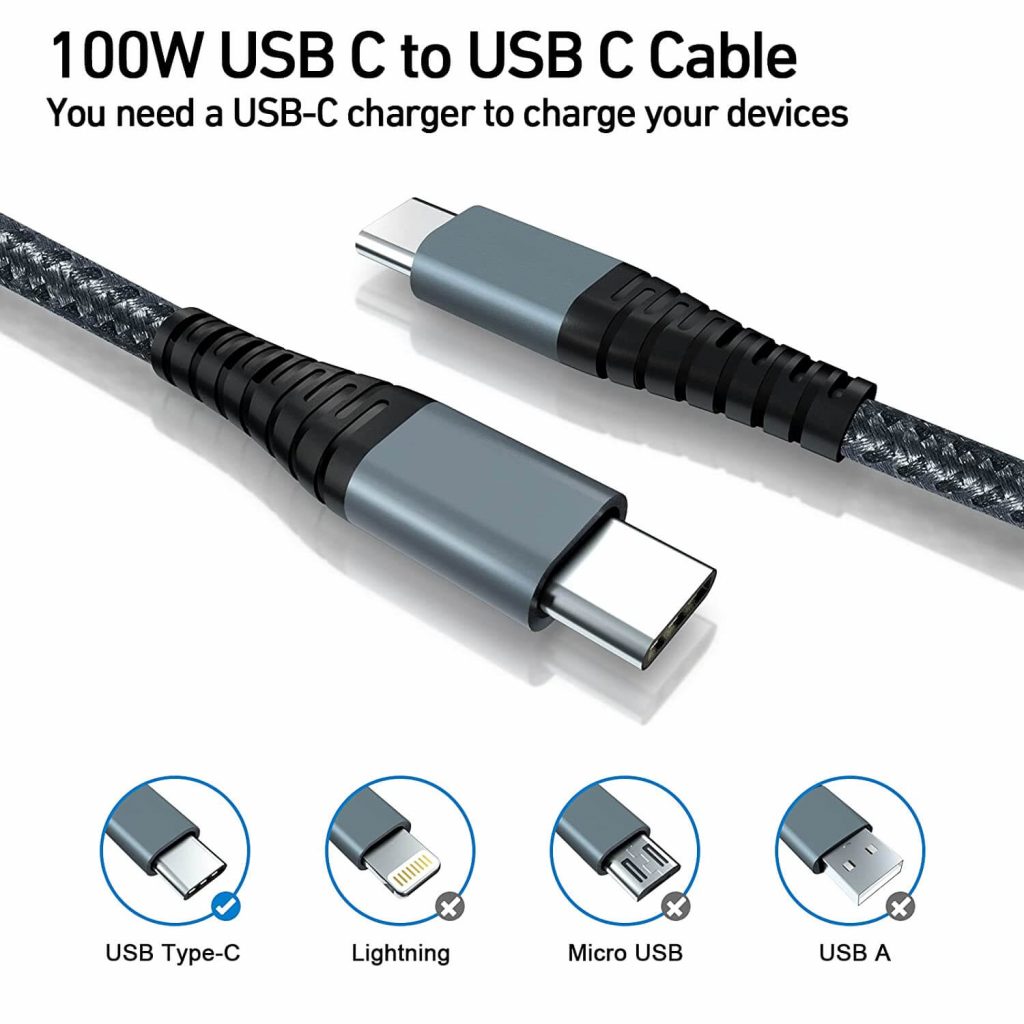
Understanding USB-C: The Future of Connectivity
USB-C is rapidly becoming the standard for connectivity across a variety of devices, including smartphones, laptops, tablets, and more. Its reversible design allows users to plug in the connector without worrying about orientation, a significant improvement over previous USB types. This versatility is not just about convenience; USB-C supports multiple protocols and high data transfer rates, making it a superior choice for modern electronic devices. With capabilities such as Power Delivery (PD), users can charge their gadgets faster than ever, with a single cable capable of powering multiple devices.
As technology evolves, the adoption of USB-C is expected to increase significantly. The connector can handle up to 100 watts of power, which is more than enough to charge even larger devices like laptops. Beyond charging and data transfer, USB-C also supports video output, enabling users to connect their devices to monitors and projectors seamlessly. As more manufacturers embrace this technology, understanding USB-C will be essential for consumers looking to future-proof their devices and enjoy a unified, efficient experience in connectivity.
Counter Strike is a popular tactical first-person shooter game that has garnered a massive following since its initial release in 1999. Players engage in team-based combat, choosing to fight as either terrorists or counter-terrorists, employing various strategies and tactics to outsmart their opponents. For gamers looking to enhance their setup, check out the Top 10 macbook docks for a better gaming experience.
Top 5 Advantages of Switching to USB-C Devices
In today's fast-paced technological landscape, switching to USB-C devices has become increasingly popular among consumers and manufacturers alike. One of the most significant advantages is the universality of the USB-C connector. Unlike previous versions of USB, which had varying shapes and sizes, USB-C offers a single, reversible design that works seamlessly across a plethora of devices—from smartphones and laptops to tablets and peripherals. This means fewer cables to carry, reducing clutter and enhancing convenience.
Moreover, USB-C supports faster data transfer rates and improved power delivery. With the capability of transferring data at speeds up to 10 Gbps and charging devices rapidly—potentially up to 100 watts—users can enjoy a more efficient workflow. Additionally, many USB-C devices are equipped with support for Power Delivery (PD), allowing users to charge their devices quickly and efficiently without the need for multiple chargers. This combination of speed and versatility makes USB-C a game-changer in the tech industry, making it a worthy investment for anyone looking to upgrade their tech arsenal.
Is USB-C Compatible with My Current Gadgets? Here's What You Need to Know
With the rapid adoption of USB-C technology, many users are left wondering, Is USB-C compatible with my current gadgets? This versatile connector is designed to replace various ports and cables, which brings both convenience and confusion. To determine compatibility, consider the types of devices you own. Most recent smartphones, tablets, and laptops support USB-C; however, older models may require adapters. Check your device specifications or user manuals to confirm whether they feature a USB-C port or a compatible adapter.
Another factor to consider is the type of accessories and peripherals you use. Some gadgets like chargers, headphones, and external drives may have transitioned to the USB-C format, while others still rely on traditional USB ports. Adapters are available to bridge the gap between different connectors, allowing you to connect your older gadgets to USB-C ports efficiently. However, it's essential to ensure that any adapter you purchase supports the necessary data transfer speeds and power requirements for your devices.